
When an OBD-II Scanner Can Help Diagnose a No-Start Problem
A scan can add direction to a no-start diagnosis, but a code is evidence to investigate—not proof that the named part should be replaced.
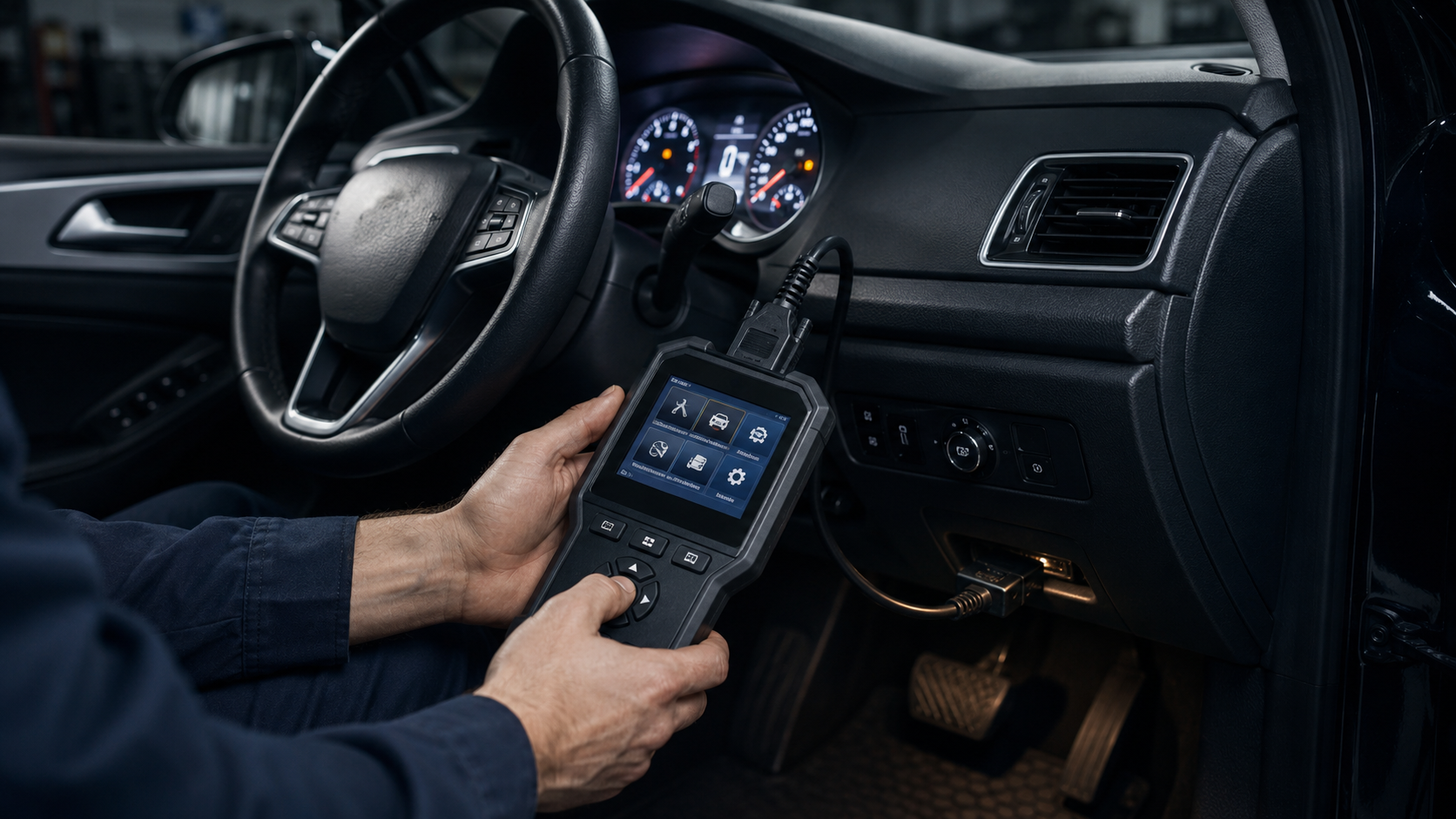
An OBD-II scanner is most useful when it adds information to a symptom story. It can show a stored or pending code, and some tools expose additional data, but the result still needs to be interpreted in the vehicle context.
When a scan belongs in the path
Consider scanning when a warning light is present, when the engine cranks but does not start, when a security or communication clue appears, or when the next branch depends on a monitored signal. A no-crank condition may require starting-circuit checks before a scan can add much value.
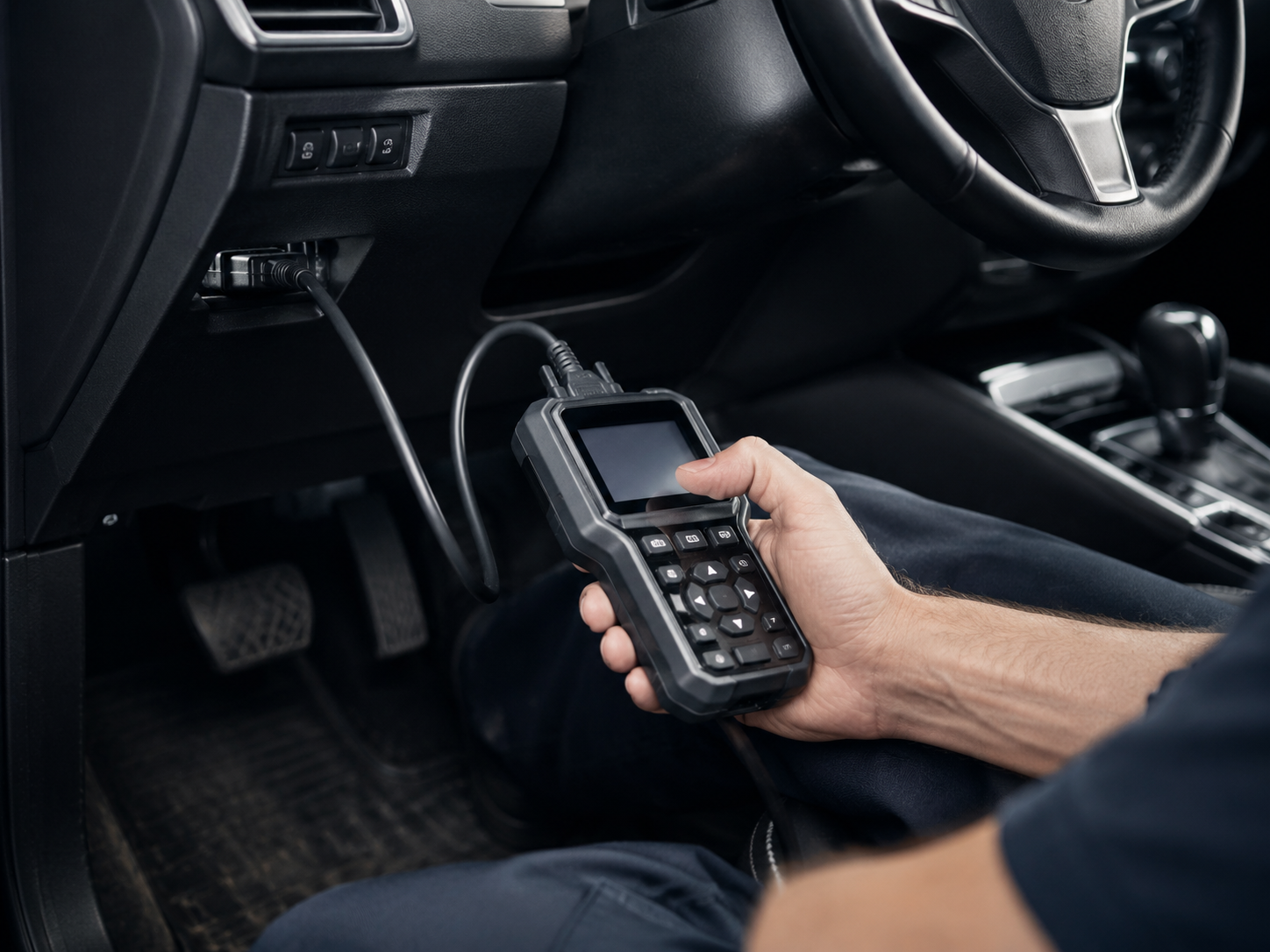
Code does not equal failed component
A code can identify a monitored circuit, signal or condition. It may point toward a crankshaft or camshaft signal, security authorization, communication fault or another system involved in starting. The responsible sequence is code → symptoms → vehicle relevance → test → cause → repair decision.
What a useful code article should contain
- The exact code and the vehicle context in which it matters.
- Symptoms that make the code relevant to the no-start complaint.
- Safe checks and tests that can support or reject the direction.
- Clear boundaries around professional diagnosis and programming.
- Links to the model-specific starting or electrical path.
Choose the next page, not just a code
If the engine cranks, continue to the crank/no-start guide. If it does not crank, follow the starting-circuit path. If a key or security message is present, use a model-specific authorization guide rather than a universal bypass instruction.
Continue diagnosing
Choose the next guide that matches the symptom or evidence you observed.



Sources & editorial review
This guide provides general educational information and separates observations from diagnostic possibilities. Vehicle-specific procedures and technical claims should be checked against the applicable service information before action.