
Start with what the vehicle is doing.
Choose a problem family, then follow the article path from observation to test and next step.
Starting Problems
Separate crank, no-crank and starting-circuit symptoms before choosing a test.
Problem familyBattery & Charging
Understand battery health, charging behavior and overnight drain symptoms.
Problem familyElectrical & Ignition
Trace power, connection, key and ignition clues responsibly.
Problem familyOBD-II Diagnostics
Use scan information as evidence, not as an automatic parts verdict.
Useful starting points
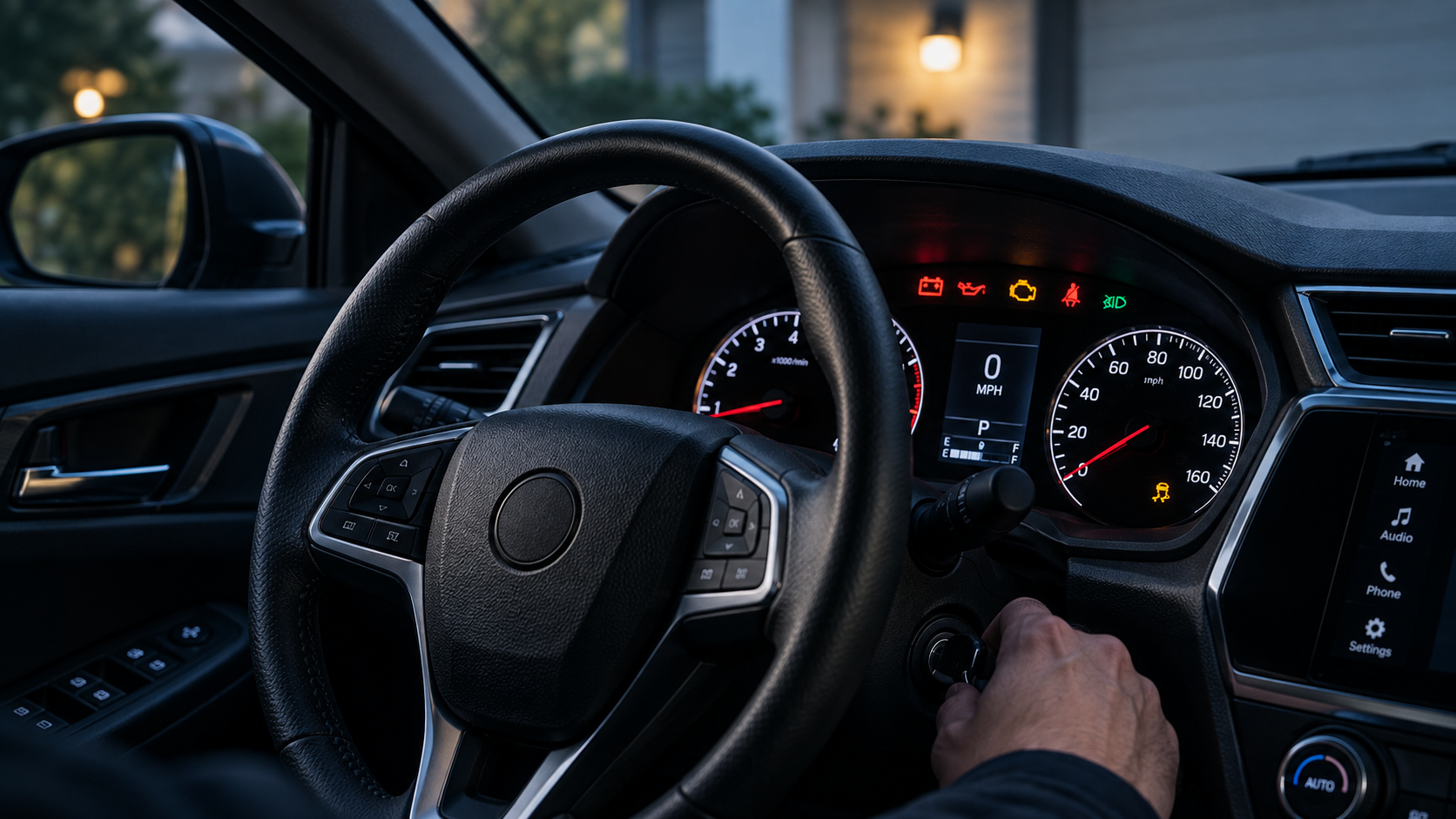
Car Won't Start But Has Power: What to Check First
Lights and accessories can work while a starting fault remains. Use the crank/no-crank split to choose the next useful observation.
Read diagnostic guide →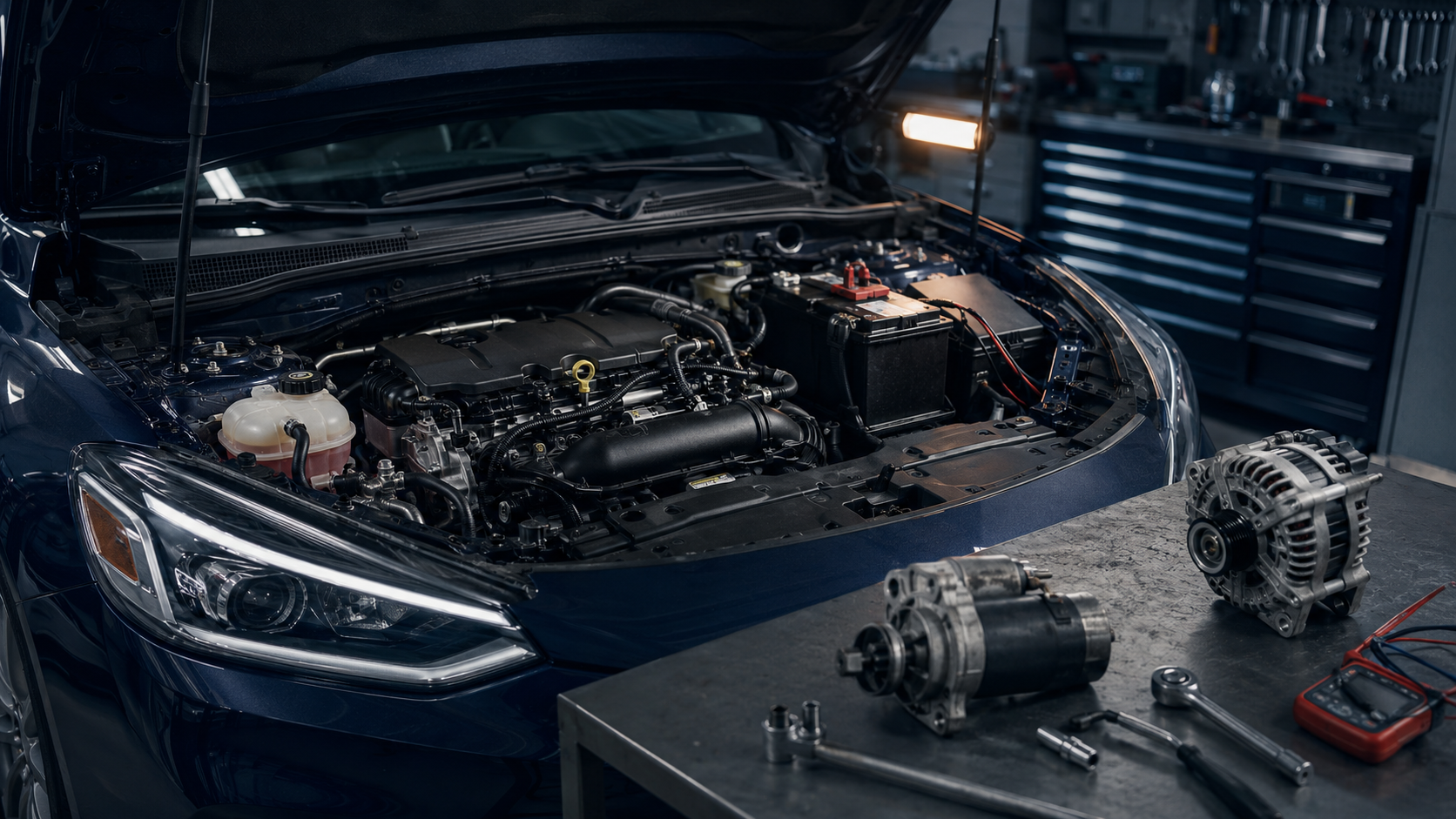
Cranks vs No Crank: The First Step in Diagnosing a Car That Won't Start
The sound you hear determines the first diagnostic branch. Learn how to describe it without turning one symptom into a parts verdict.
Read diagnostic guide →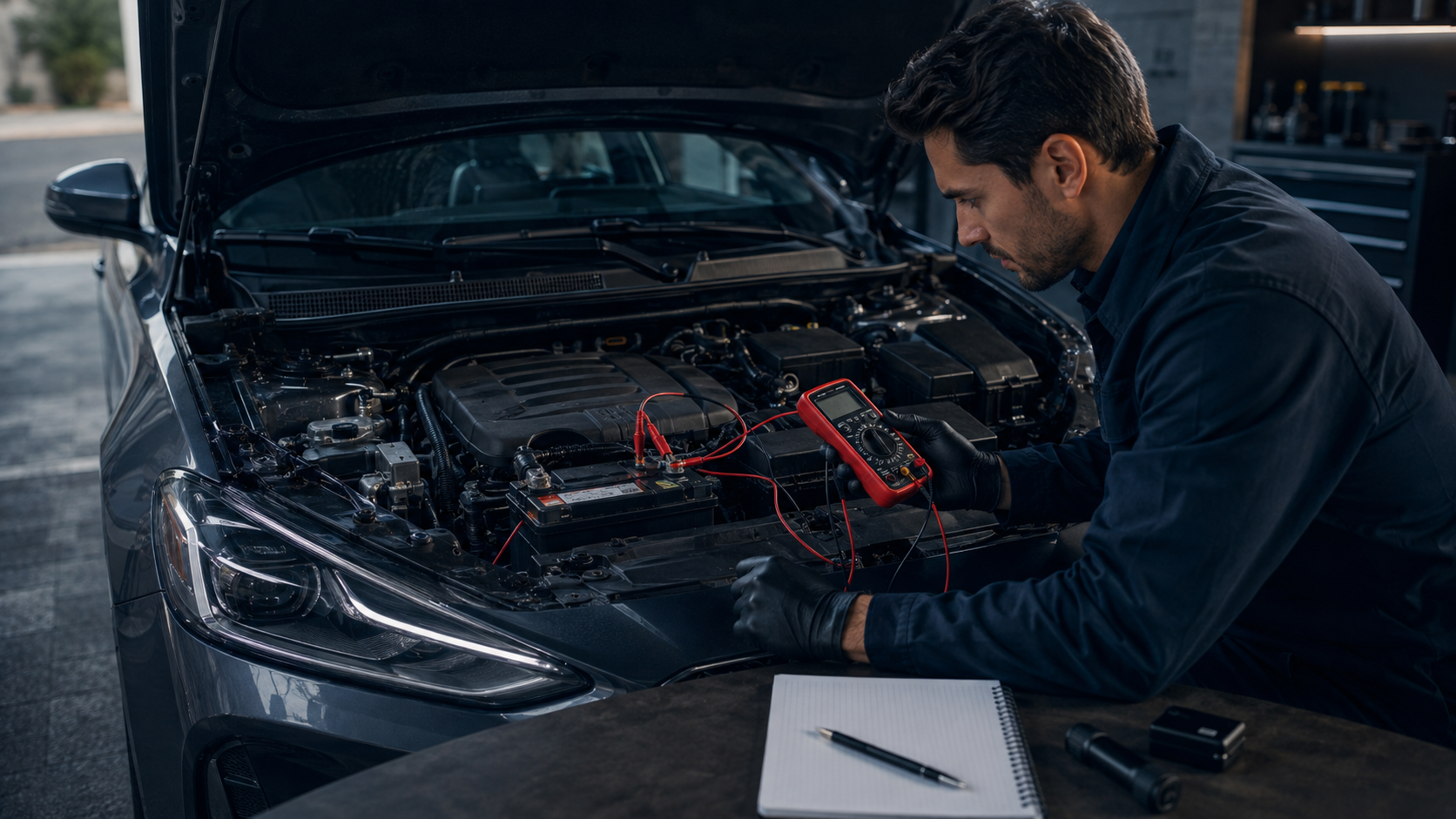
Battery vs Starter vs Alternator: How to Tell Where the Problem Is
These three components sit in the same starting story but fail in different ways. Use symptom timing and test direction to keep the diagnosis organized.
Read diagnostic guide →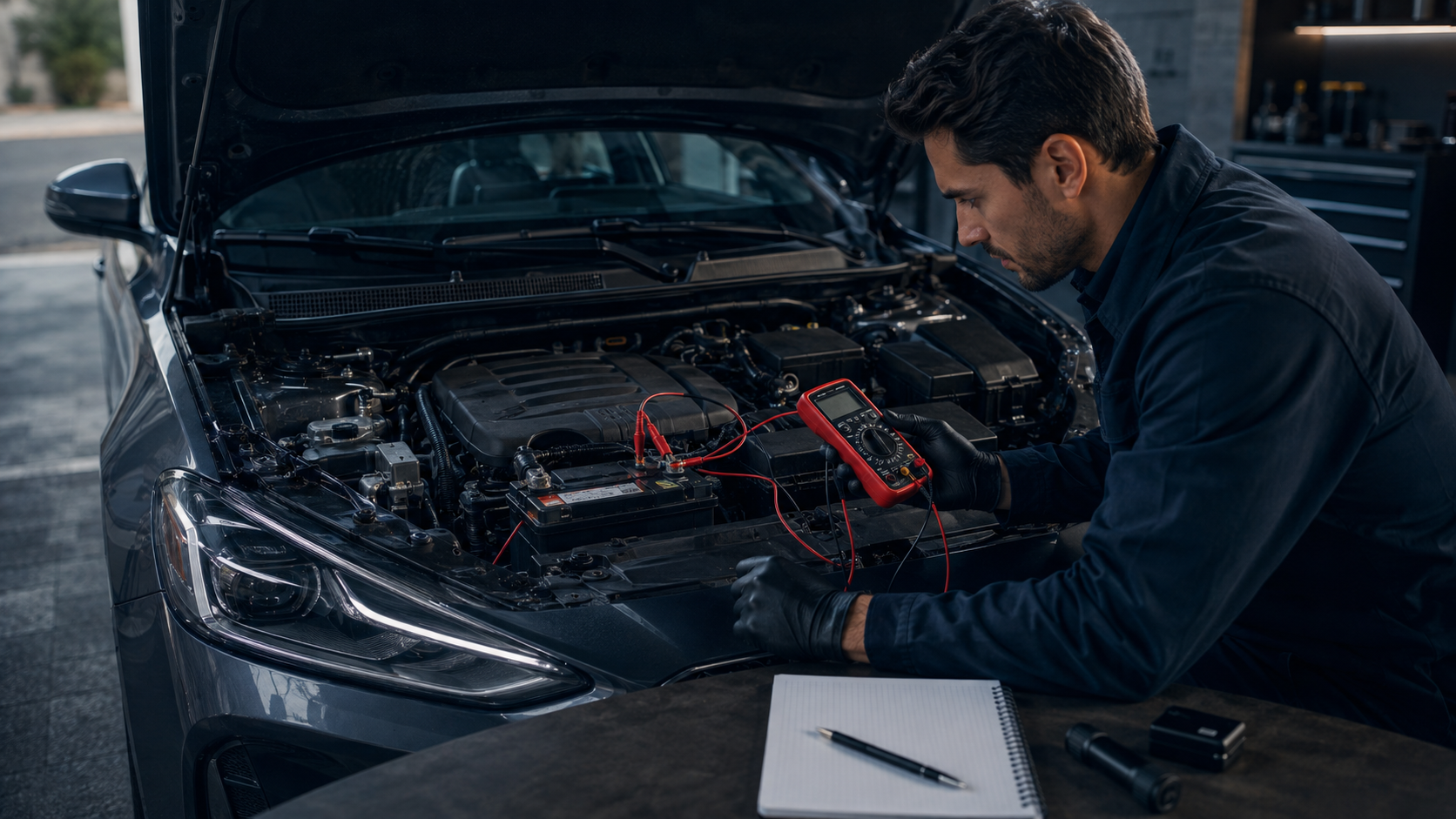
Why a Car Battery Keeps Dying Overnight
An overnight dead battery can come from battery condition, charging history or electrical draw while the vehicle is parked. Separate those possibilities before replacing parts.
Read diagnostic guide →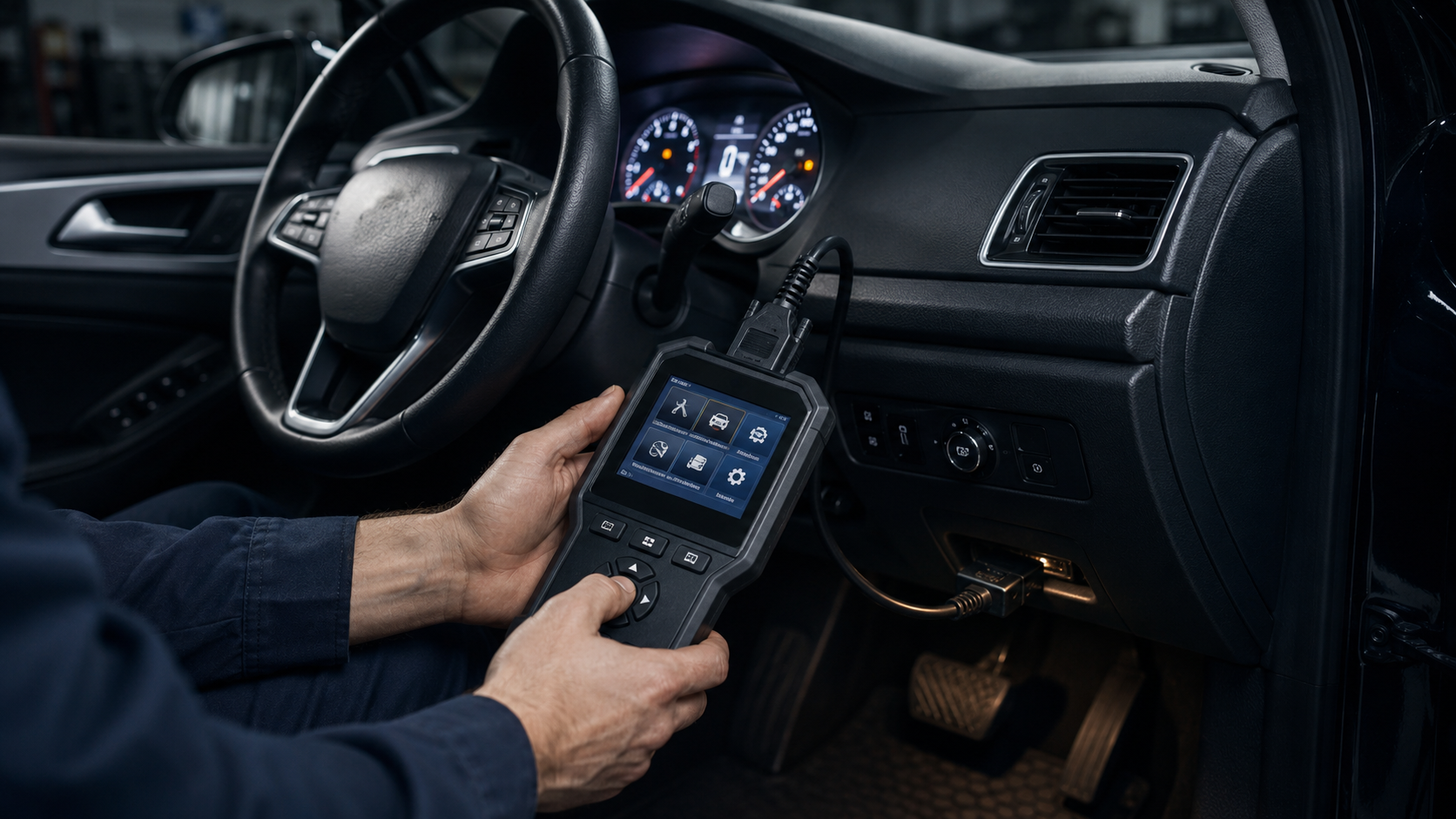
When an OBD-II Scanner Can Help Diagnose a No-Start Problem
A scan can add direction to a no-start diagnosis, but a code is evidence to investigate—not proof that the named part should be replaced.
Read diagnostic guide →